Choosing an anti-counterfeiting sticker for your brand is a big decision. It is not about picking a design that you like. This decision can affect how people see your brand, how you sell your products, and how much your customers trust you.

So, how do you choose the anti-counterfeit sticker for your brand? This guide will help you understand what you need to do. We will explain things in a way using examples from real companies and real situations.
Why Do You Need Anti-Counterfeiting?
Any product that is money can be copied. When your product starts selling, people may try to make fake versions.
This can hurt your brand’s reputation, make it hard to control prices, and make customers lose trust in you. In some industries, it can even cause problems with the law.
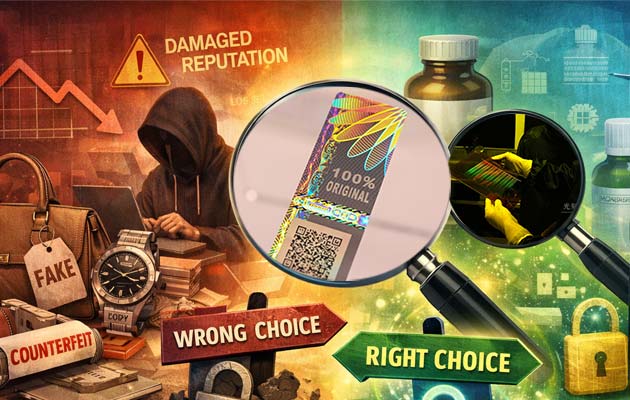
There is no one solution that works for all brands. Different industries have risks and products are used in different ways. So your anti-counterfeit stickers should be chosen based on how your product’s used, not just how it looks.
How Different Industries Choose Their Solutions
We have worked with enterprises in different industries, including pharmaceuticals, health supplements, cosmetics, automotive parts, toys, consumer electronics, tobacco, and alcohol.
You can visit our brand protection pages (https://szimagetech.com/brand-protection/) to learn more about how we can help you protect your brand.
Here is a simple way to think about what works for each industry.
Tobacco, Alcohol, and Health Supplements
These products are often regulated by the government. A good option for these products is tamper evident hologram stickers.
These stickers leave a mark if someone tries to remove or open them, making it easy for customers and inspectors to see if the product has been tampered with. The holographic technology also makes it hard for people to copy.
Consumer Electronics
Electronics go through a lot, like heat, friction, and transportation. So the stickers need to be durable and secure. Common choices for consumer electronics include QR code hologram stickers and 3D holographic labels. It is essential to choose materials that can handle temperatures, especially for parts that get hot.
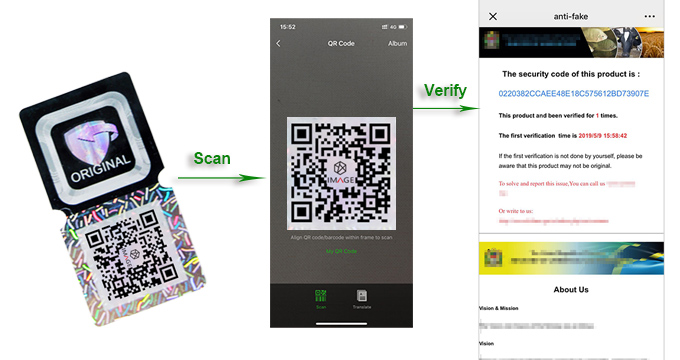
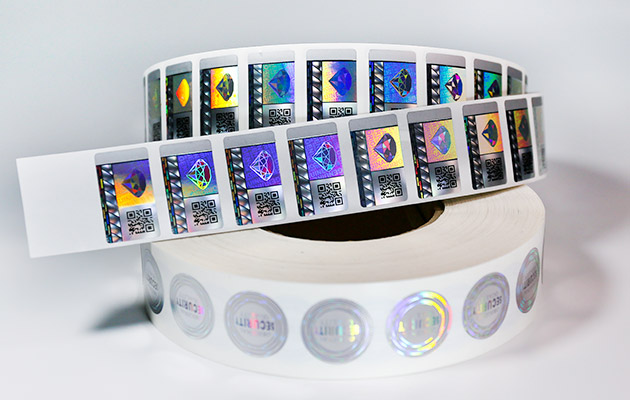
Combining effects with QR verification also gives you a premium look and a reliable way to check authenticity.
Personal Care and Daily Products
For products that’re always on the move, simplicity is key. Most customers will not spend time figuring out how to verify something.
That is why many brands use QR codes or serial numbers and clean recognizable designs. This allows customers to scan and check quickly distributors to identify products at a glance and brands to stand out on shelves.
Automotive Spare Parts
This is a high-risk area because counterfeit parts can be dangerous. A layered solution works best, such as security plus serial numbers or QR codes.
This helps with tracking parts, managing distribution channels, preventing grey-market diversion and supporting warranty systems. In short, it gives you control over your supply chain.
What About Logo and Data Security?
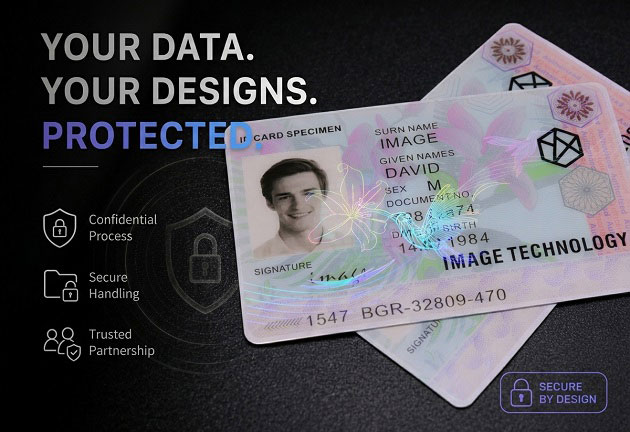
This is something many brands worry about and rightly so. We handle all steps in-house, including design, tooling, and production.
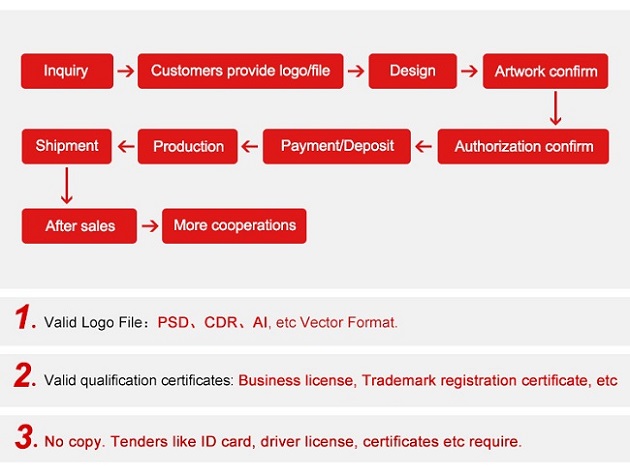
We also follow ISO 27001 standards for information security. Before any project starts, we make sure to sign disclosure agreements, confirm brand authorization, and clearly define how designs and tools are used. This is particularly important for government or document projects.
Can You Do Customization?
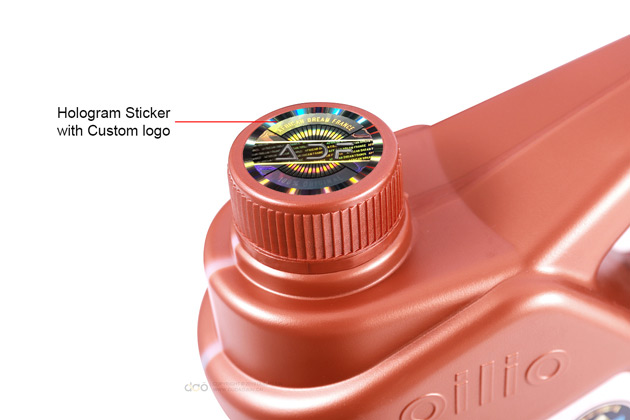
Yes, it is. You just need to provide your logo or brand elements where the sticker will be used and any style preferences. From there, our design team will help create a solution that fits your product, your positioning, and your environment.
Typical Project Process
Here is how it usually goes:
- 1. Define the security concept and design.
- 2. Confirm the effect.
- 3. Develop hologram molds.
- 4. Move into production.
- 5. Delivery and Support.
- If needed, sample approval can be arranged before production.
Quick FAQ
1. What sizes are available?
The minimum size is 10 × 10 mm. The standard maximum size is 150 × 150 mm. Larger sizes can be customized.
2. What materials can I choose?
You can choose from PET film, which is durable, scratch-resistant, and waterproof, or paper, which is ideal for tamper-evident sealing.
3. Can I add QR codes or serial numbers?
Yes, options include QR codes, unique serial numbers, and batch tracking. Common marking methods include UV inkjet, laser marking, and digital printing.
4. What about MOQ? Lead time?
The minimum order quantity is 500,000 pieces. The lead time is 20 days for standard orders. Pricing depends on design, size, and process.
Choosing an anti-fake sticker is not just about how it looks. It is about understanding where your risks lie, knowing how your product moves through the market, making sure verification is actually usable, and thinking long-term, not just short-term.
A chosen solution does not just stop counterfeits; it helps build trust, strengthen your brand, and protect your business over time.
If you are working on a product or industry, taking the time to evaluate the approach now can save you a lot of trouble later. Your anti-counterfeit sticker is a part of your brand protection, so choose it carefully. Your brand reputation and your customers’ trust depend on it.
Image Technology can help you choose the proper anti-counterfeit sticker for your brand. Visit our website to learn more about our brand security solutions and how we can help you protect your brand.