When talking about holographic ID overlays or security ID projects with customers, one question comes up a lot: “If we share our logo, artwork, or project data with you, how can you be sure it won’t be leaked?” It’s a concern – and one that deserves attention.
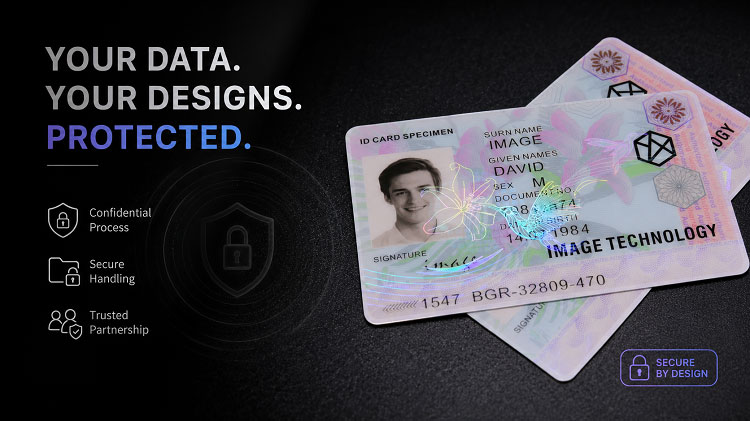
Many ID card projects, like government IDs, membership cards, employee badges, or access credentials, require customers to provide design files, card layouts, and sometimes project-related data. These projects can be very sensitive. If some data is leaked, the consequences can be serious.
In some cases, leaked information may lead to fake IDs, damage to a program’s credibility, or harm to a brand’s reputation. In serious situations, it could expose personal information or compromise the integrity of an entire ID credential management system.
For ID cards, driver’s licenses, passports, and other official documents, the risks are even greater. Design assets and project information may be connected to identity management, border control, public security, and other critical systems. A breach can have implications.
That’s why in Identity programs, data security is a key part of overall project security.
What Information Is Considered Risk?
Many people think of information when discussing sensitive data. In projects, however, the scope is broader.
Original Design Artwork
Logos, institutional emblems, background patterns, layouts, and custom graphics may seem harmless. If these assets are exposed, they can be used to imitate or reproduce legal IDs.
Optical Design File
In projects, the most valuable information is the optical security design itself.
This may include optical security features, covert security elements, and other forensic authentication mechanisms. These features are a part of the document’s security architecture.
Personal Identity Data
Names, ID numbers, photographs, and biometric information are among the sensitive types of data handled within ID credential systems. Protecting this information is critical.
Project Management Information
This category is often overlooked. Issuance volumes, deployment regions, rollout schedules, and project planning information may also carry security implications. In some cases, these details can provide valuable intelligence to unauthorized parties.
How Should a Supplier Protect Customer Data?
Strong security features are important. So is safeguarding customer data information. When evaluating a supplier, here are some aspects to pay attention to.
A Structured Information Security Management System
Ask if the company has a formal information security framework, including ISO 27001 Information Security Management System, access to files and project data, Data classification policies, and Project isolation procedures.

In a mature organization, project information is not accessible to everyone. Access is restricted according to roles and responsibilities.
Confidentiality Agreements and Authorization Procedures
Before a project begins, establish agreements regarding confidentiality and project authorization.
These documents define responsibilities, clarify how data can be used, and ensure that all parties understand the requirements surrounding project data.
Minimizing Data Transfers
Risks often increase as files move between parties. If design, master origination, and manufacturing are handled by organizations, project files may need to be transferred several times.
Whenever possible, keeping design, mould development, and manufacturing within the controlled team, it can reduce exposure and simplify security management.
End-to-End Traceability
Every stage of a project should be traceable. This may include:
- File access and transfer records
- Production records
- User permission logs
- Inventory and delivery records
If an issue arises, traceability makes it easier to identify where and when it occurred.
What Should You Ask When Evaluating a Supplier?
If you’re assessing suppliers for a security identity document project, we suggest you ask for these points.
- Do they operate under an ISO 27001 information security framework?
- Are confidentiality and authorization procedures in place?
- Do they have experience with government or security ID credential projects?
- Can they handle design development and master origination internally?
- Is access to project information controlled through a permission management system?
- Can they provide a documented and traceable project workflow?
If these questions can’t be clearly answered, it may be worth looking at the potential risks.
How IMAGE TECH Ensures the Security of the ID Project
At IMAGE TECH, we’ve been working in micro-nano optical security technologies and Identity security solutions for over two decades.
We’ve been involved in a range of Identity Documents and brand protection projects, including social projects, national ID cards, international event credentials, and commercial brand protection.
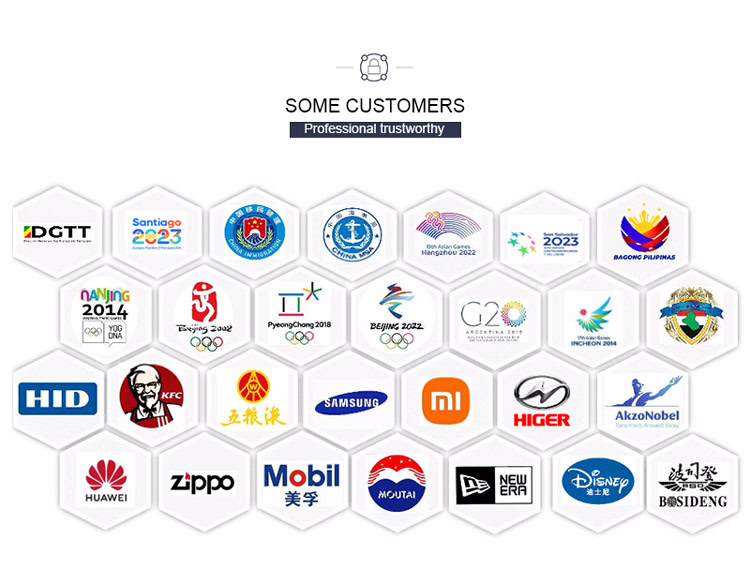
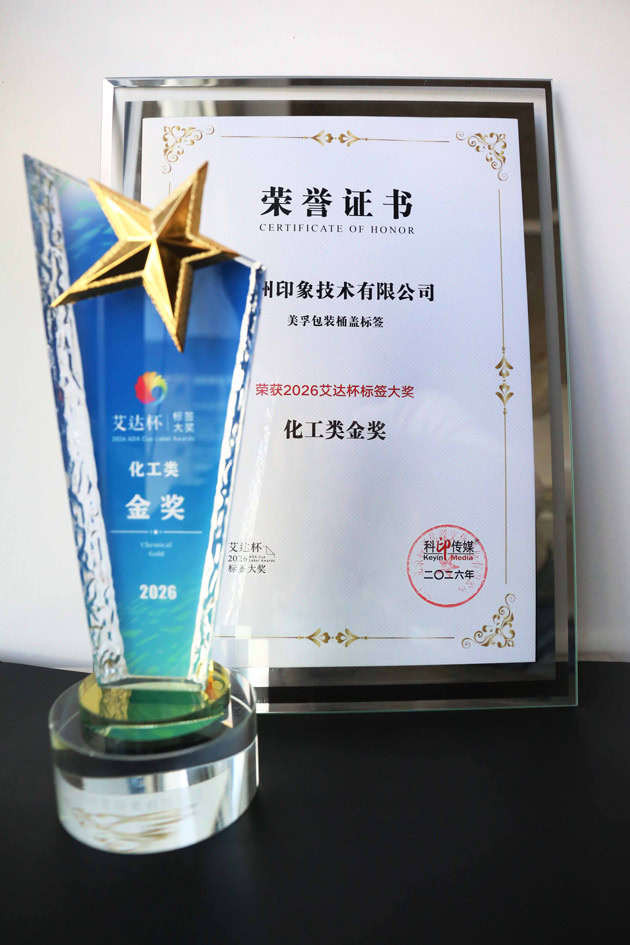
To support these projects, we maintain both ISO 9001 Quality Management and ISO 27001 Information Security Management certifications.
In practice, our process includes project authorization review, confidentiality agreements, controlled access management, and an integrated development and production workflow designed to limit data exposure.
Where possible, design development, master origination, manufacturing, quality inspection, and delivery are managed within a controlled process to reduce data handoff points.
We believe effective security is not about advanced anti-counterfeiting technology. It also depends on disciplined processes, responsible management, and attention to detail throughout the project lifecycle.
In projects, security features determine how difficult an identity document is to counterfeit. Data security determines whether the project itself can be trusted.
When selecting a supplier, look beyond product samples and security features. Consider how the company manages information, protects design assets, and controls project data.
Real security doesn’t stop at the identity itself—it extends to every step involved in creating it.