In our previous article celebrating 40 Years of China’s Optical Security Industry, we shared the specifics of upcoming Holography Technology Art Works exhibition we’ll host, including exhibits, the way to participate and a series of industry exchanges.
But beyond these practical details, there is a deeper question worth exploring: Why do we put on this Holography Technology Art Exhibition?
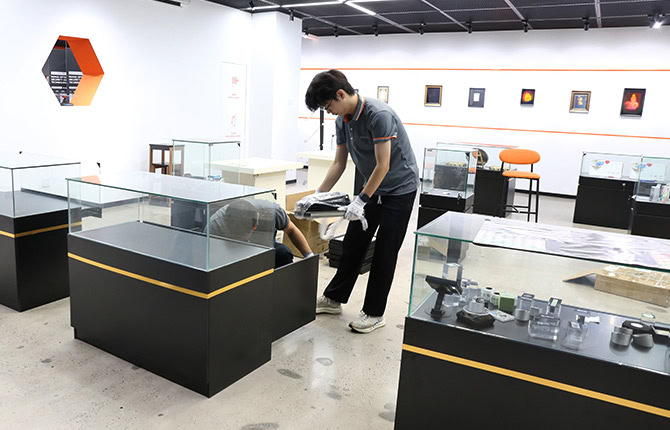
It’s not just a review of the industry’s development history, but also an opportunity to re-understand holography, exchange technological and artistic achievements, and look forward to future possibilities.
To understand why we are putting this exhibition together, let’s go back to where holography began.
The Birth of Holography
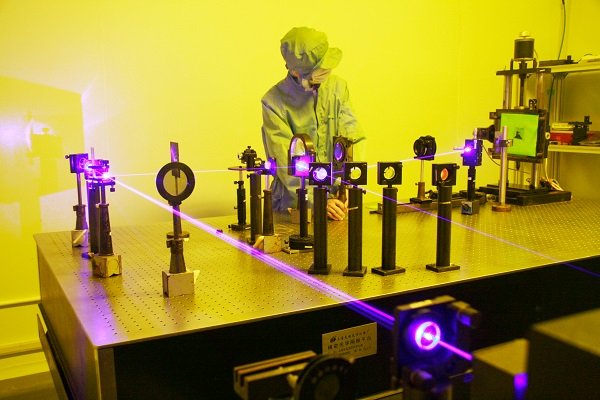
In 1948, Hungarian physicist Dennis Gabor captured the world’s first hologram in his laboratory using a mercury lamp as the light source.
Although the image was rough and blurry, with a clarity far inferior to today’s holographic anti-counterfeiting labels, it marked the first time humans had truly recorded the “complete information” of light waves – impossible to falsify with filters or beauty enhancement.
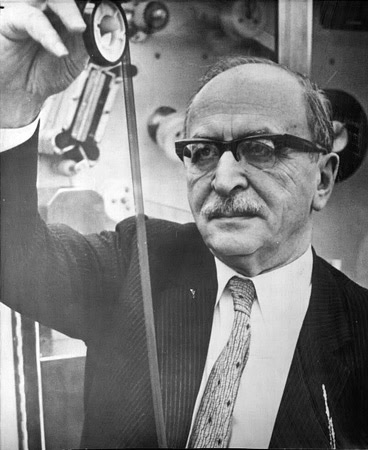
This invention earned him the Nobel Prize in Physics in 1971. Gabor never anticipated that years later, this technology’s derivative applications would give rise to a packaging anti-counterfeiting industry worth tens of billions in the Eastern giant.
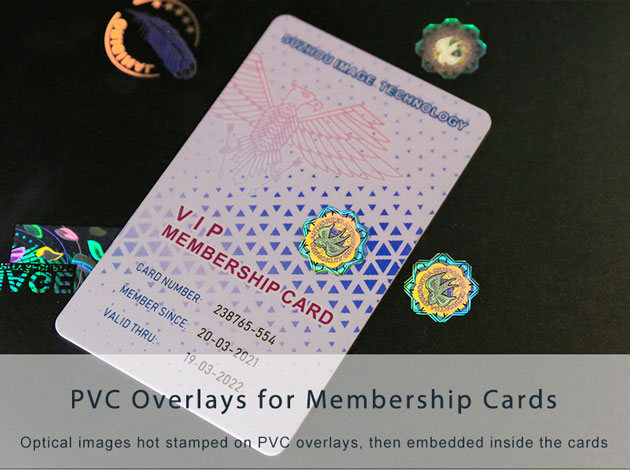
In 1986, as China’s reform and opening-up was in its ascendant phase, the market economy gave birth to a new industry – holographic anti-counterfeiting.
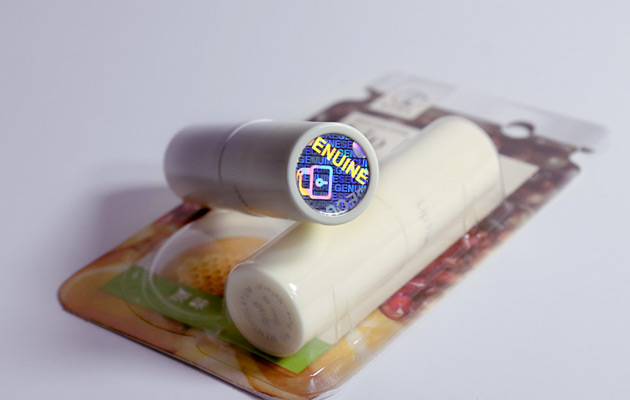
With its unique optical color imaging, it once became the guardian of numerous renowned and premium products. Hundreds of enterprises followed in succession, jointly propelling the development of the embossed holographic industry.
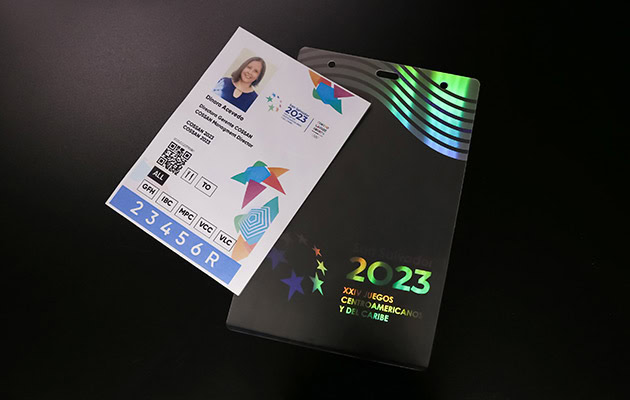
In the blink of an eye, forty years have passed. From small labels to large-area packaging decoration, China’s holographic and optical anti-counterfeiting industry has leapt to the top of the world in terms of application types and output quantity;
The technological path has expanded from pure holography to diffraction structural color, Fresnel relief reflection, micro-lens integrated optical imaging, photonic crystal color… and further evolved into micro-nano optical structural color inkless printing technology.
Three Reasons Behind the Exhibition
First, to look back at where it all began.
We should recall our original aspiration. We entered this industry because of holography. “Holographic imaging” refers to the visual reproduction of the imprint of an object’s phase and amplitude, akin to an activated seal.
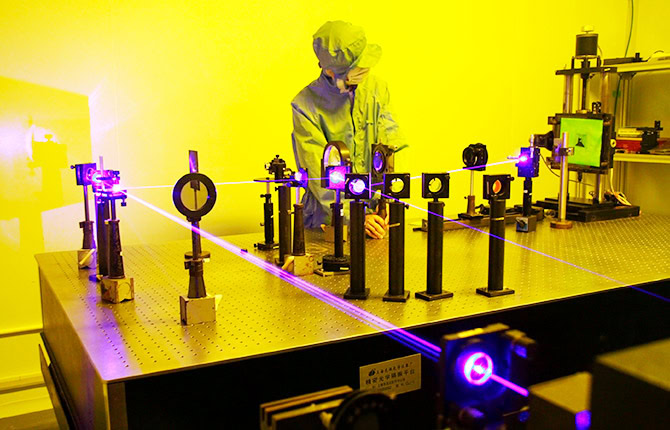
The imprint serves as the carrier of the image, and the image emerges from the imprint, with each imprint generating an image and vice versa.
Second, to explore what holography really means.
We should deeply understand holography. Every part of a hologram records the overall information of an object, embodying the concept of “one is everything”. Every part carries the whole in an entangled manner.
Holography is not only a technology, but also a way of thinking: the whole is contained within the part, and infinity is embedded within finitude.
Third, to look ahead.
Anti-counterfeiting and packaging, whether in the past, present, or future, are merely a wavelet in the vast river of holography.

Holography holds even broader prospects in fields such as energy development, defense technology, aerospace, dynamic three-dimensional display, trendy toys and entertainment, health and healing, and more.
This exhibition is not only a look back, but also a new departure.
From an Exhibition to a History of the Industry
The development of a technology is not just about breakthroughs in principles and manufacturing processes. It is also reflected in the works created, the applications developed, and the generations of people who have helped move the industry forward.
Over the past 40 years, China’s holography industry has reached many milestones worth remembering. To make this journey easier to follow, we have put together a timeline of China’s holography industry, covering its early introduction, the growth of industrial applications, and the development of new micro-nano optical technologies.
If you’d like to see how these changes unfolded over time, continue with the next article: China’s Optical Security Industry: A 40-Year Timeline.
That is another reason we are hosting the Holography Technology Art Works Exhibition: to bring works, history, and people together, so that what we have learned from the past can help us better understand where we are today and where we might go next.