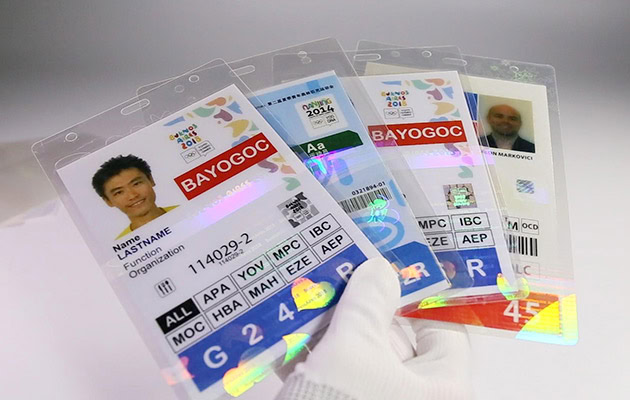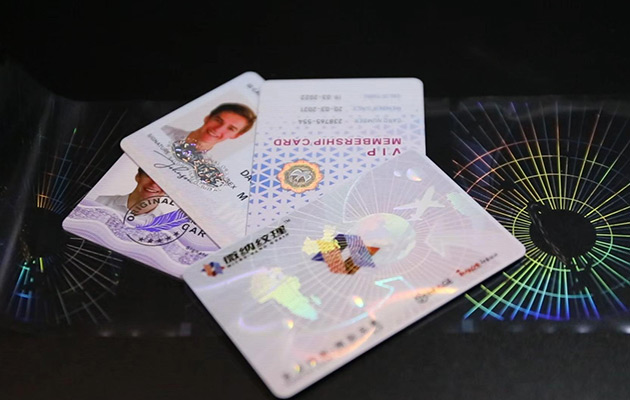
When customizing anti counterfeit labels, one of the most common questions we hear from customers is: “What size should my anti counterfeit labels be?” or “What label size works best for my product?”
This may sound like a simple issue, but label size directly affects visual appearance, usability, and anti-counterfeiting performance.
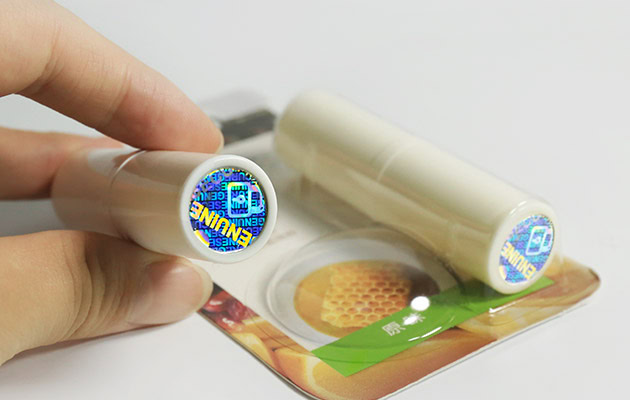
If the label is too large, it may block key product information or be difficult to apply. If it is too small, essential security features may be hard to see or even impossible to include.
In this article, we explain how to choose the right size for anti-counterfeit labels, from a user’s perspective, based on real-world applications in the global market.
Three Key Factors for Choosing Anti Counterfeit Label Size
1. Match the Product Size — “Fit In, Don’t Stand Out.”
The first and most important rule is simple: the label must fit the product.
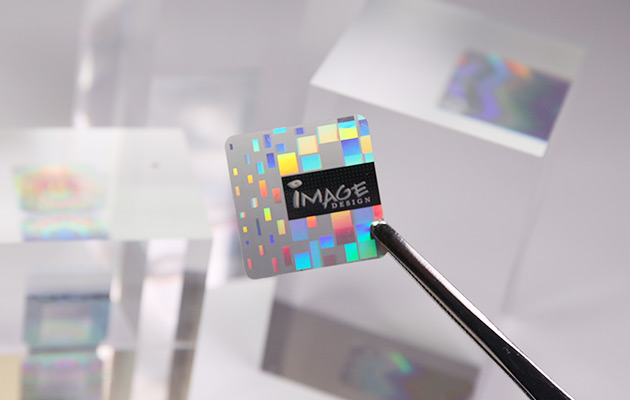
For standard consumer goods such as food boxes, cosmetics, and personal care packaging, 20 × 30 mm is widely considered a golden size. It balances security visibility with easy application.
- Small products (vials, compact packaging):
Recommended sizes include 10 × 20 mm or 15 × 25 mm to avoid covering important information. - Large products (electronics boxes, premium packaging):
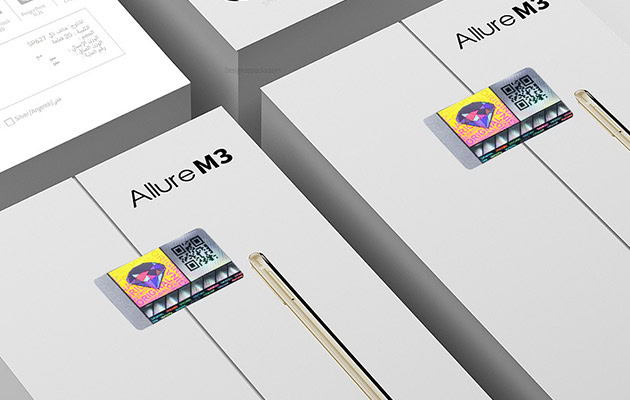
Larger sizes, such as 30 × 40 mm or 40 × 60 mm, allow more space for visual impact and security features. - Custom shapes are also common in overseas markets, helping brands improve recognition and resist counterfeiting.
2. Security Elements — “Room to Include, Easy to Identify.”
If your anti counterfeit labels include QR codes, serial numbers, or traceability elements, size selection becomes even more critical.
- QR codes require sufficient area to ensure fast and accurate scanning
- Serial numbers and covert features must remain clear and readable
- Overcrowding reduces both security value and user trust
A slightly larger label often improves authentication reliability, especially in global supply chains.
3. Application Environment — “Stay Attached, Stay Intact.”
Different surfaces and environments demand different size strategies:

- Curved surfaces (bottles, cylindrical containers):
Avoid oversized labels to prevent edge lifting. - Rough surfaces (cartons, leather, fabric):
Slightly larger labels improve adhesion. - High humidity or high temperature environments:
Smaller labels reduce the risk of damage and delamination.
Choosing the right size helps ensure the label performs reliably throughout the product lifecycle.
Artwork Size Guidelines and Common Pitfalls
Artwork Setup Best Practices
When designing your artwork:
- Add bleed margins around the final label size to prevent cutting errors
- Keep critical elements (QR codes, security patterns) away from edges
- Design at actual size to avoid scaling issues during production
These steps are standard practice in international security label manufacturing.
Common Size Mistakes to Avoid
- “Bigger is better” — Oversized labels raise costs and reduce usability
- “Smaller saves money” — Too small means compromised security
- “One size fits all” — Different products require different solutions
Successful brands always choose application-specific label sizes.
Conclusion: Size Selection Is a Strategic Decision
Choosing the right size for anti-counterfeit labels is not about going bigger or smaller—it’s about precision.
By considering the product size, security requirements, and application environment, you ensure that your label delivers real protection without affecting the product’s appearance or user experience.
A well-sized label enhances both anti-counterfeiting performance and brand credibility.