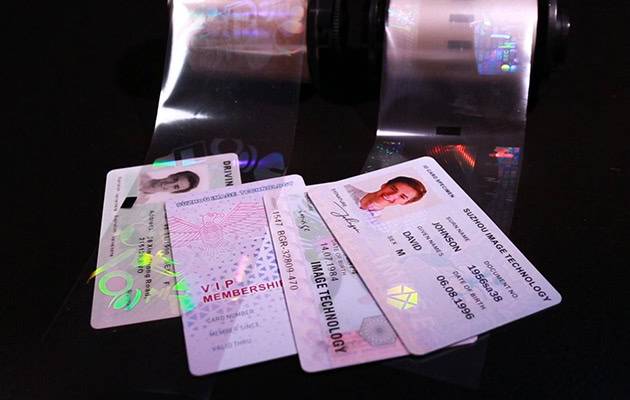
Counterfeiting is no longer a rare risk. For growing brands, it is almost inevitable. Once a product gains market traction, imitation follows.
The real question is not whether counterfeits will appear, but how a brand can respond in a way that truly works.

This article explains:
- How anti counterfeit labels function in real brand protection projects
- Why they are difficult to replicate
- When optical anti counterfeiting makes strategic sense — and when it may not
About Image Technology
Image Technology specializes in laser holography–based micro- and nano-structure optical color technologies.
Our core processes, including lithography equipment and tooling systems, are developed in-house. This allows us to control both precision and confidentiality throughout the production chain.
Our solutions are widely applied in:
- Document and ID security
- Brand protection
- Regulated and commercial packaging
To date, our technologies have been deployed in more than 80 countries and 200 regions, supporting over 300 brand protection projects worldwide.
We are a member of the International Optical Technologies Association (IOTA) and certified under ISO 9001 and ISO 27001, ensuring structured quality management and strong information security controls.
Why Counterfeiting Becomes Inevitable
From industry experience, a clear pattern emerges:
When a product sells well, counterfeit versions follow. The consequences extend far beyond lost revenue:
- Brand trust erosion
- Channel price disruption
- Consumer safety risks
- Legal and regulatory exposure
Many companies begin seeking anti-counterfeiting solutions only after damage has already occurred. However, proactive protection is significantly more effective than reactive correction.
Understanding how security technologies work allows brands to make informed decisions earlier — before risk escalates.
How Optical Anti-counterfeiting Works
The anti-counterfeiting market includes many technologies:
- Security inks
- Digital authentication codes
- RFID and chip-based systems
- Optical security features
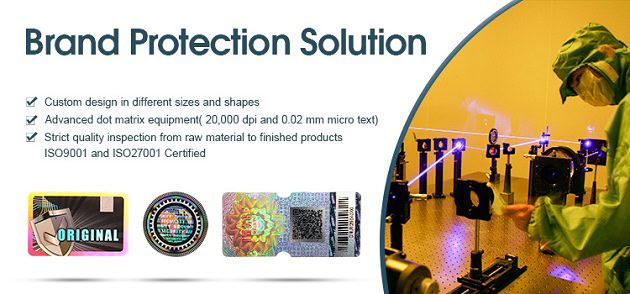
Optical anti-counterfeiting operates differently from print-based or digital-only solutions. Its core lies in micro- and nano-scale surface structures. These visual effects are not printed with ink. They are created through precision lithography and embossing processes at the nano level.
Because the visual effect is physically embedded in the material structure, replication requires:
- Advanced nanofabrication capabilities
- Specialized equipment
- Significant technical expertise
- High capital investment
This creates a substantial technical barrier.
Practical Advantages of Anti counterfeiting Labels
- Instant visual verification
The effect can be checked with the naked eye at the first level of inspection. Distributors, retailers, and inspectors can quickly identify suspicious products. - High replication cost and complexity
Counterfeiters face increased technical and financial obstacles.
For these reasons, optical security is particularly effective as a first-line brand protection tool.
Layered Security in Real Projects
In professional brand protection programs, a single feature is rarely sufficient.
Effective solutions are designed in layers:
First Level: Visual Inspection
Overt optical effects allow rapid authenticity checks in the field.
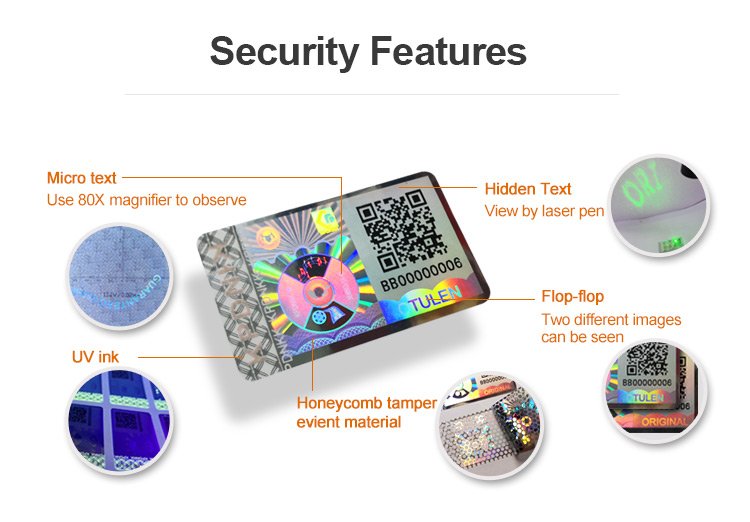
Second Level: Tool-Assisted Verification
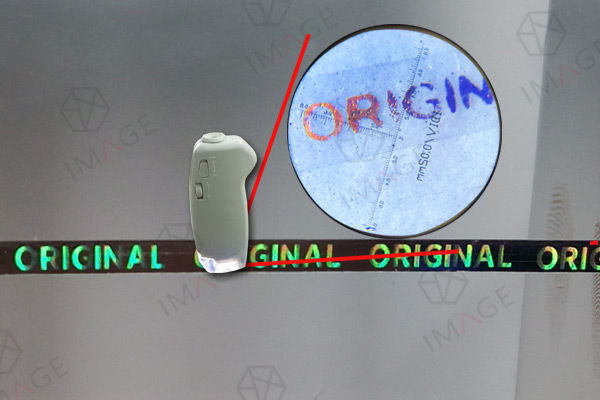
Magnifiers, light sources, or digital tools reveal concealed or semi-covert elements.
Third Level: Forensic or Judicial Verification
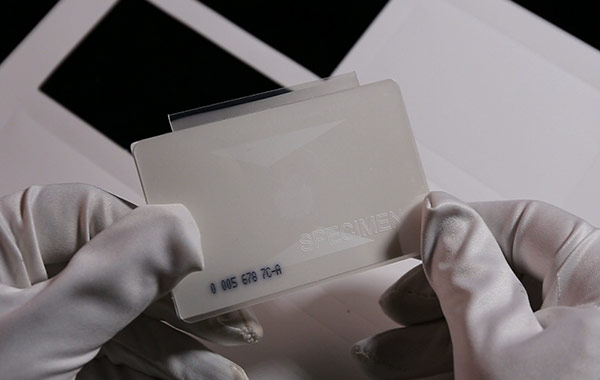
Highly controlled features provide evidence-level authentication when required for legal enforcement.
This layered approach balances:
- Security strength
- Cost efficiency
- Operational practicality
It also ensures long-term sustainability as threats evolve.
Can Any Technology Guarantee 100% Protection?
No single technology can provide absolute protection. This is true not only for product labels, but also for banknotes, passports, and national ID documents. Effective anti-counterfeiting is not about eliminating risk. It is about risk control and deterrence.
A strong solution should:
- Raise the technical barrier
- Increase the time and cost for counterfeiters
- Enable faster identification and response
When replication becomes too complex or unprofitable, counterfeit activity declines significantly.
When Optical Anti counterfeiting Makes Strategic Sense
Optical anti-counterfeiting is particularly suitable when:
- A product has established market recognition
- Brand value is a primary asset
- Distribution channels require fast visual authentication
- Regulatory or legal traceability may be necessary
However, for low-margin products or limited-volume markets, a lighter solution may sometimes be more appropriate. Selecting the right technology depends on business model, risk level, and long-term strategy.
Conclusion
As brands grow, protection becomes a strategic necessity rather than an optional add-on.
Optical anti counterfeit labels offer a powerful combination of visual authentication, structural complexity, and layered protection. When properly designed and integrated into a broader brand protection strategy, they significantly increase the difficulty and cost of counterfeiting.
The key is not to wait until damage occurs. Proactive, structured security planning helps protect reputation, revenue, and consumer trust — long before counterfeits reach scale.