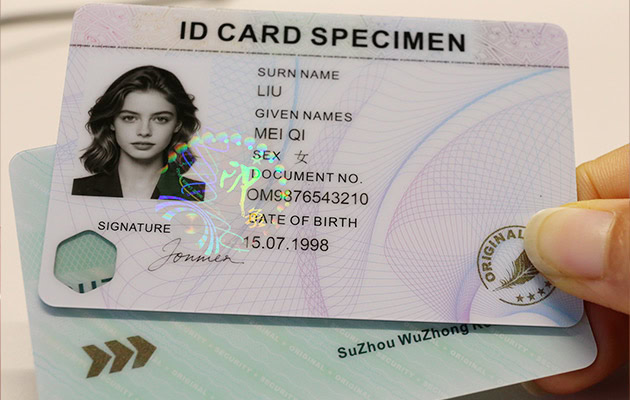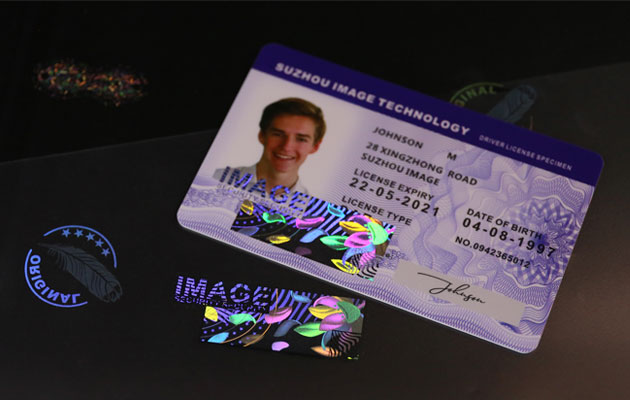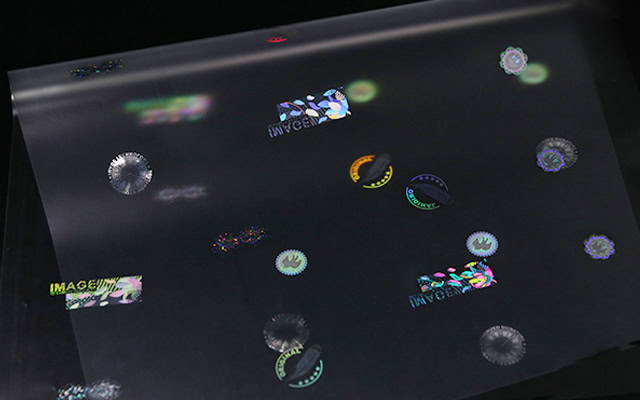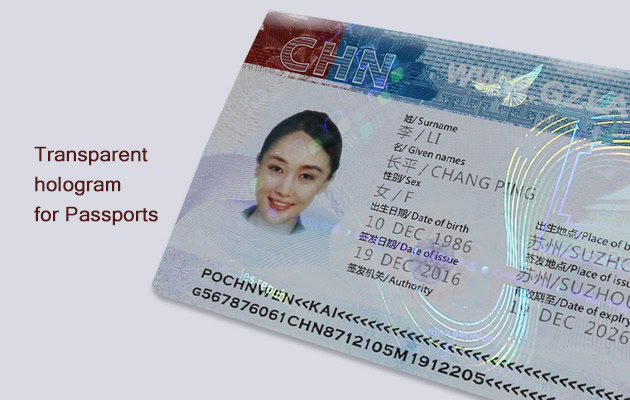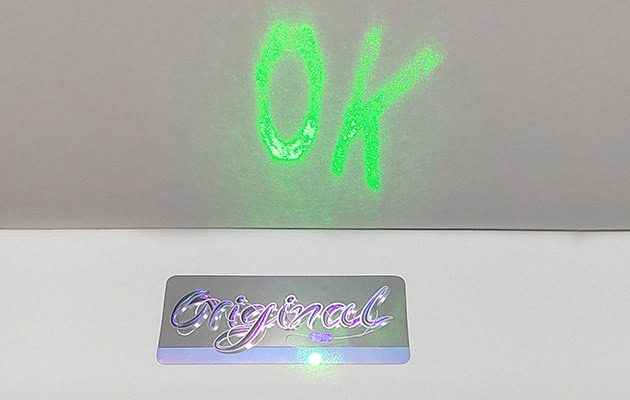
Beyond ID cards, many secure documents—such as passports, certificates, visas, and booklets—are produced on paper-based or composite substrates.
Compared with plastic cards, these applications place higher demands on heat resistance, transfer accuracy, registration precision, and long-term durability. Security features must also withstand frequent handling, page turning, and laser personalization processes.

This article focuses on common issues and practical solutions for optical security films used in book-type and paper-based document applications, helping issuers and system integrators achieve stable and reliable results.
1. Book-type Heat Transfer Film
Book-type heat transfer films are primarily used for passports and similar bound identity documents. Transfer quality depends heavily on correct equipment settings and uniform pressure during application.
Common Issues & Solutions
Incomplete transfer or poor durability
Incorrect temperature, speed, or uneven pressure prevents full bonding of the optical layer.
Solution:
Set parameters strictly according to film specifications (typically 180°C ±5°C, 8–10 mm/s). Test on sample documents before production and ensure uniform roller pressure. Perform routine equipment maintenance to maintain stable and consistent heating.
2. High Temp Resistant Optical Hot Stamping Foil
High-temperature resistant optical hot stamping foils are used on laser-personalized certificates and sensitive documents. These foils must tolerate elevated temperatures while maintaining precise registration.
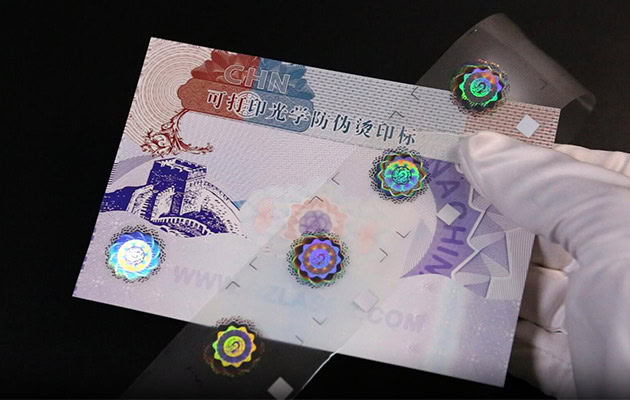
Common Issues & Solutions
Incomplete stamping
Uneven pressure or worn rollers result in unclear or partial images.
Solution:
Adjust pressure to approximately 0.05 kgf/cm² and replace worn rollers promptly.
Registration misalignment
Insufficient positioning accuracy during stamping.
Solution:
Calibrate registration systems regularly. For manual setups, use alignment guides and conduct trial stamping before batch processing.
Surface defects (bright or dark spots)
Dust or debris contaminates the foil or document surface.
Solution:
Use dust covers, clean work surfaces frequently, and require operators to wear lint-free gloves.
3. Optical Laminating Pouches for Event Passes and Certificates
Optical laminating pouches are widely used for event passes, hanging badges, and short-term certificates in conferences, exhibitions, and large public events. Most defects are directly related to temperature, pressure, and roller cleanliness.
Typical Issues & Corrective Actions
- Cloudy or milky appearance: Insufficient temperature. Increase temperature gradually (130–150°C) and ensure full warm-up.
- Bubble points: Excessive temperature or dirty rollers. Reduce heat and clean rollers before operation.
- Wrinkling or uneven surface: Overheating, uneven rollers, or misaligned documents. Lower temperature and ensure flat placement.
- Poor adhesion to paper: Temperature too low. Increase heat incrementally and test.
- Unsealed edges or air gaps: Insufficient pressure or heat. Increase roller pressure and temperature slightly.
Best Practice for Global Applications
Always match laminating pouch thickness to document type and lamination speed. High-speed office laminators often require lower temperatures than industrial machines. Perform a single-sample validation whenever changing paper stock, ink type, or pouch thickness to ensure consistent optical clarity and reliable edge sealing.
Conclusion
For booklet and paper-based documents, reliable security performance depends on both material selection and process control. By understanding common failure modes and applying correct parameters, optical security films can deliver durable protection and trusted authentication across global document issuance environments.